Terraces and gardens in Prague lofts: what to look for
Outdoor space in a loft is often as important as the interior layout. We provide a practical overview of what to focus on when viewing a terrace, green roof or greenery, with examples from our portfolio.
When choosing a loft, attention often focuses on ceiling height, large windows and open space. Yet the outdoor area can significantly change how you live in the flat: where to have breakfast, where to entertain guests and where to relax after work. A terrace or garden is not just a "bonus" to the floor plan, though. It is worth assessing it as carefully as the interior.
This text offers several perspectives that are useful during a viewing. We draw on specific examples from our portfolio.
Terrace, roof or garden: what's the difference in practice
In Prague, with lofts and similar flats, you'll mainly encounter three types of outdoor space:
- Terrace directly with the flat – adjoins the living area and is used as its extension.
- Green roof and vertical greenery – more of an architectural element that changes the look of the building and the feeling of living there.
- Shared roof terrace – shared space, usually part of the building's or community's amenities.
Each type requires a different way of using it and different questions to ask. A private terrace offers space for daily rituals, a shared one is more suited to occasional gatherings.
Size is only the beginning
The stated area of a terrace is useful, but on its own it doesn't tell you much. For example, Loft Aero in the SKY DREAM Hřebenky project has a terrace of 85 m². That's a large enough area to be divided into several zones, perhaps a dining and relaxation area. However, actual use depends on the shape – whether the area is continuous or fragmented.
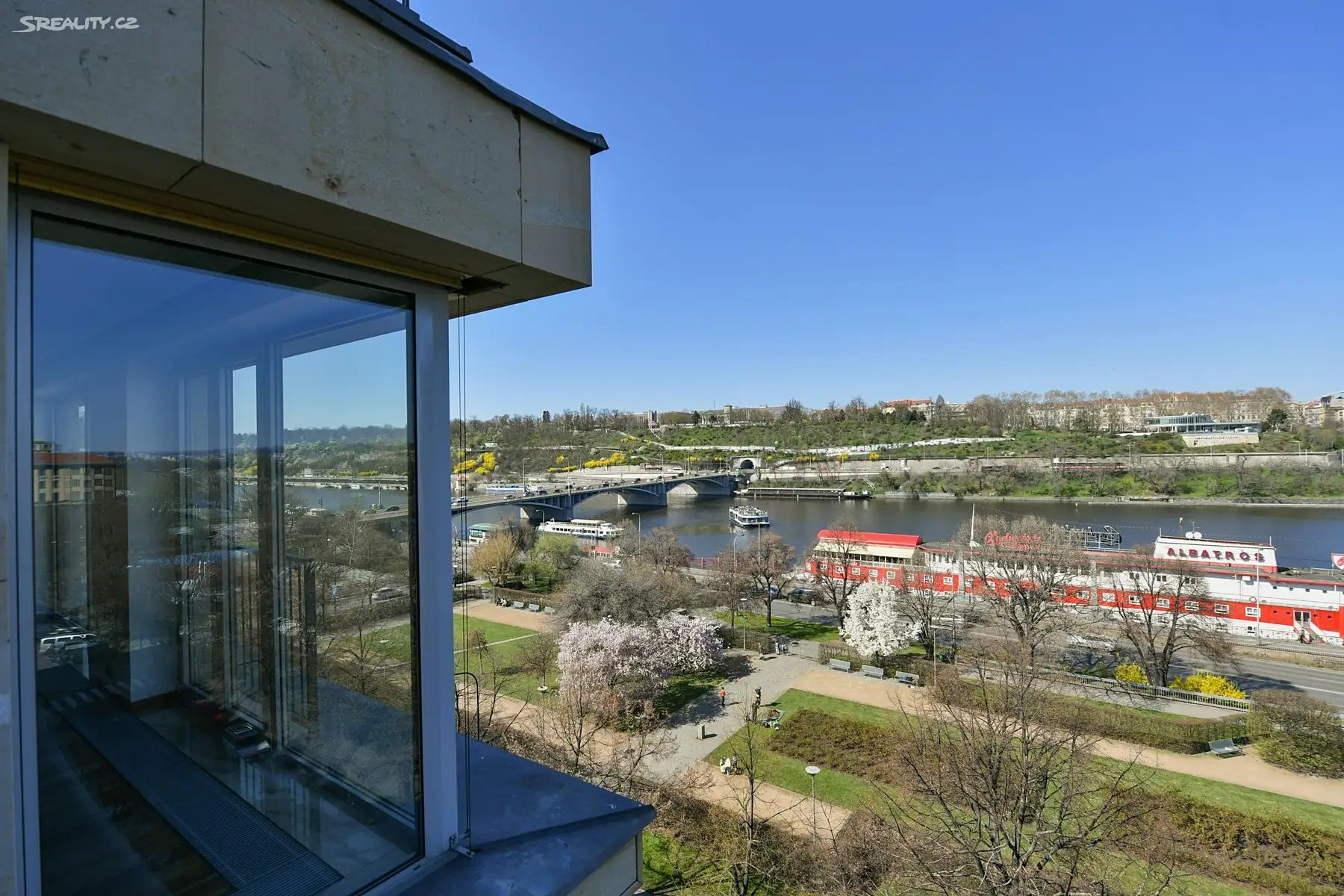
A smaller terrace can be just as practical if it's well designed. The family apartment on Lannova Street has two terraces: a northern view terrace (16 m²) and a southern relaxation terrace (10,8 m²). What's interesting is precisely the division by function. One serves views of the Vltava and Letenské Gardens, the other provides relaxation.
When viewing, pay attention to:
- how you access the terrace from the living area,
- whether there's room for a table and seating,
- how the space is shaped and what can be placed in it,
- how it relates to the surrounding buildings.
Orientation, light and views
Cardinal directions influence when and how a terrace is used. A south-facing side is often suitable for longer periods in the sun, a north-facing one often offers quieter light and is suited where the main benefit is the view. The example from Lannova Street demonstrates this: the view terrace faces north, the relaxation one faces south.
We recommend viewing the terrace at different times of day, if possible. Also ask what's in view: whether the outlook is permanent or may change. Answers can vary and it's good to verify them with your agent or in the documentation.
Green elements: when greenery is part of the architecture
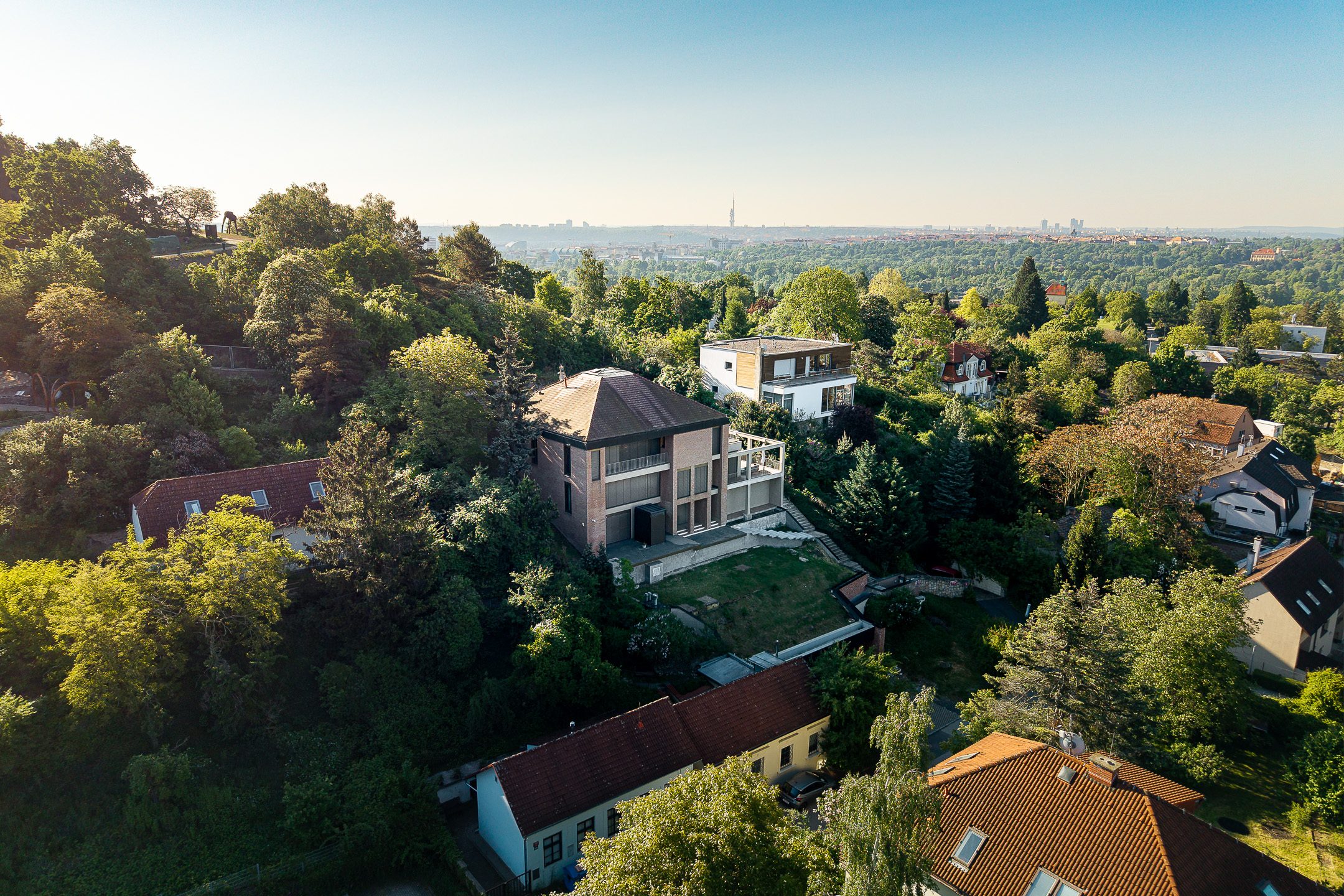
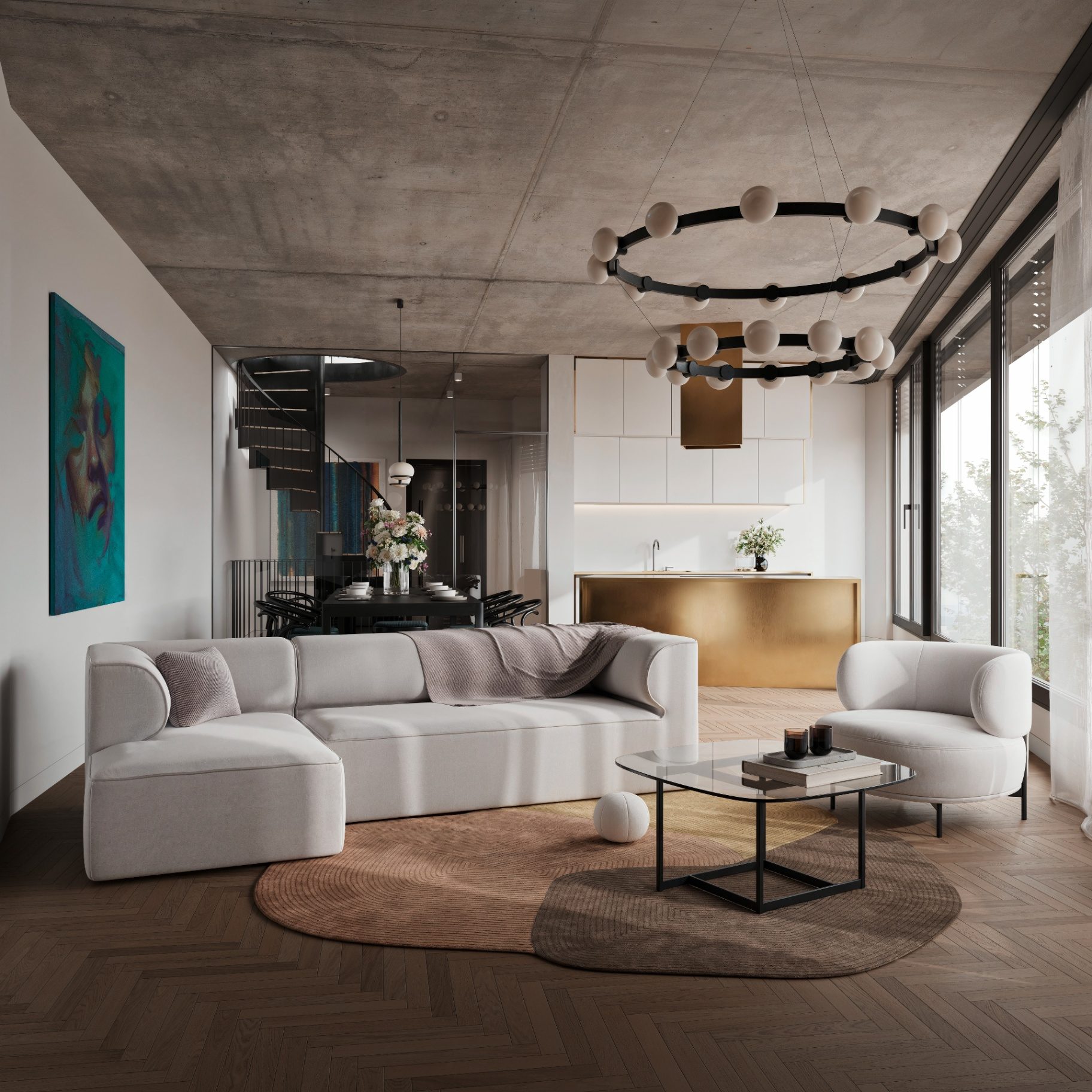
In some projects, greenery is part of the overall concept. Loft Terra in SKY DREAM Hřebenky features a green roof, vertical gardens and an outdoor fireplace. The combination of natural stone and oak flooring in the interior then supports the same idea: blending indoor and outdoor environments.
With such features, it's sensible to ask about the practical side:
- who looks after the greenery and how it's maintained,
- how watering is managed,
- what belongs to the flat and what is part of the building's common areas,
- what rules apply to modifications.
Greenery is pleasant when it's clear how it's cared for. This information varies from project to project, so it should always be verified.
Shared terraces and private gardens
Not every loft has its own terrace. In some projects, outdoor space is arranged communally. Loft at Vanguard Modřany, for example, includes a roof terrace with barbecuing facilities as part of the community's amenities. Such an option might suit someone who prefers lower maintenance requirements and appreciates shared space for gatherings.
On the other hand, someone looking for privacy and their own garden might turn to villas. For instance, a villa in Troja has a prepared project from a landscape studio. That's a different type of housing than a loft, but it shows that garden planning can be handled professionally and in advance.
When deciding between private and shared options, the answer to a simple question helps: how often and with whom will I actually use the outdoor space?
Practical checklist
You can bring this brief outline to a viewing:
- Access – how you reach the terrace and whether it's accessible to all.
- Privacy – from which windows and buildings the terrace is visible.
- Surfaces and railings – what condition they're in and their character.
- Amenities – whether lighting, utilities or storage space for furniture are available.
- House rules – what is permitted, for example grilling or modifications.
- Maintenance – who looks after the individual areas and how.
None of this is complicated, but it's precisely these details that determine whether the terrace becomes a true part of your home or just a pretty surface in a photograph.
In conclusion
A terrace or garden in a loft is a space that should be evaluated with both reason and feeling. Measurements and orientation can be measured, the atmosphere needs to be experienced on site. If you're curious about what it looks like in specific flats, browse the full property portfolio or contact us. We'd be happy to discuss with you what's important for your choice and arrange a no-obligation viewing.