Prague districts by building period: character of each era
The period in which a district was built determines the character of its streets, house layouts and the way people live in them. The article offers an overview of Prague's building periods and shows what questions to ask when choosing a property.
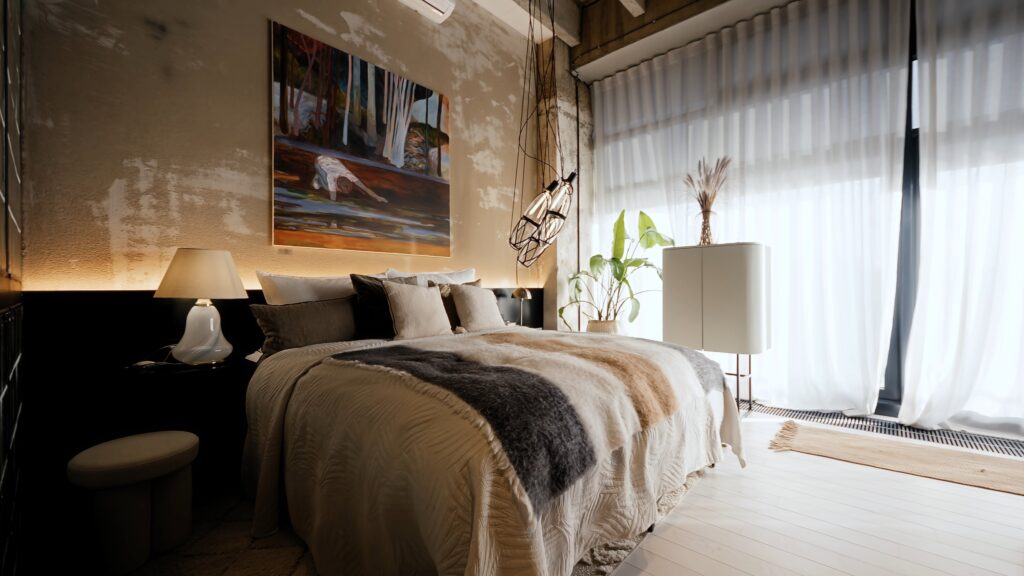
Prague did not emerge according to a single plan. Individual districts grew up during different periods, each leaving behind a different type of development, different street layout and different maintenance and operational demands.
When choosing premium accommodation, it therefore helps to know not only the address, but also when the district and the particular building date from. Below is an overview. These are general characteristics, not hard and fast rules.
Historic core: dense development and modified buildings
Staré Město and surrounding parts of Prague 1 typically have narrow streets, continuous rows of buildings and layouts that have been modified over time. Living here is closely connected with the surrounding activity: cafés, shops, culture and pedestrian accessibility.
For apartments in historic buildings, it is worth asking particularly about:
- the condition of structures, utilities and heating,
- parking arrangements, which are often limited in densely developed areas,
- the possibility of layout modifications, as these depend on load-bearing walls and listed building protection.
An example from our portfolio is a family apartment on Lannova Street in Prague 1. It has 4+kk of 192 m², two terraces with views of the Vltava River and Letná, and an underground garage with two parking spaces.
Cubism and the architecture of the early modern city
Prague has unusual Cubist architecture among European cities. Buildings from this period are characterised by striking articulation of facades and architectural features, and are nowadays subject to careful restoration.
An apartment in a Cubist building next to Pařížská on Eliášova/Krásnohorská Street in Staré Město has 105 m², two bedrooms and a complete restoration from 2024. These include underfloor heating with its own gas boiler, oak flooring and a large bathroom with sauna. The documentation also indicates the possibility of conversion into an additional bedroom.
It is precisely the combination of historic structure and modern technical equipment that is characteristic of buildings of this type. When purchasing, it is useful to know what the restoration entailed.
Villa districts: privacy, greenery and larger plots
Another group comprises districts with family homes and villas, such as Troja, Lysolaje or Velká Chuchle. The development here is less dense, buildings stand on plots and often open onto gardens or the surrounding landscape.
In terms of layout, villas offer more independent storeys and space for ancillary facilities. In our portfolio, for example, a villa in Troja of 513 m² offers five bedrooms, a garage for five cars, a children's floor with playroom, cinema room and private lift between storeys.
For villas in these locations, it is good to find out:
- the age and condition of systems, especially heating and utilities,
- the orientation of the plot and the character of surrounding development,
- transport accessibility to the city centre.
Contemporary construction: technology and shared facilities
New projects in Prague are based on different priorities than older development. Heat recovery ventilation, underfloor heating, air conditioning, smart home technology and shared or private wellness facilities are more common.
This is well illustrated by the Sky Dream Hřebenky project on Strahov in Prague 6. Four lofts are named after the elements, namely Terra, Aqua, Ignis and Aero, and differ in their specification. Terra has a green roof, vertical gardens and an outdoor fireplace. Aqua has an indoor swimming pool with counter-current, wellness zone and Finnish sauna. Aero includes a terrace of 85 m² and a garage for two vehicles.
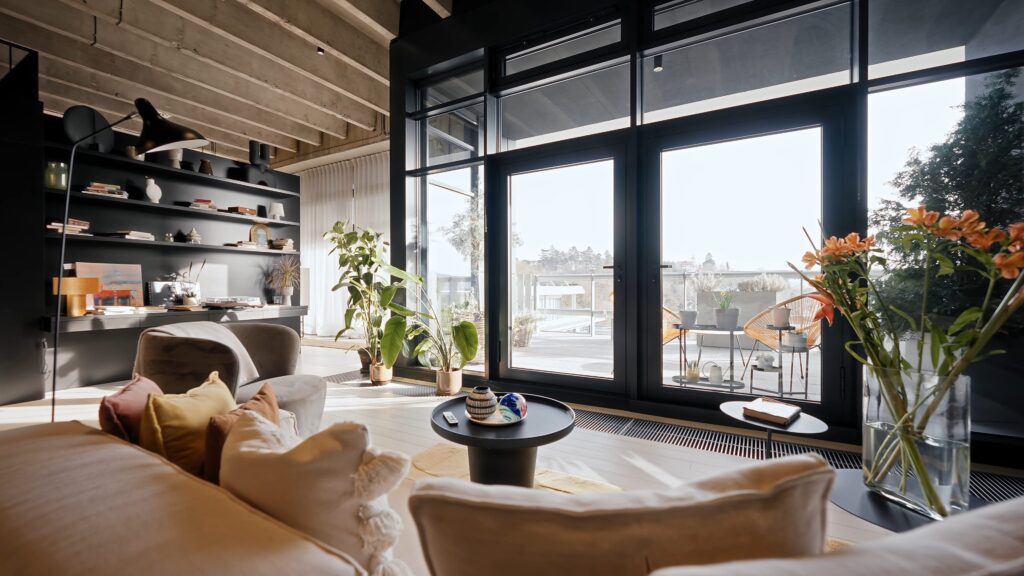
Another example is a 3+kk loft of 99 m² at Vanguard Modřany. Accommodation there includes membership in the Vanguard community, a private wellness centre, cinema room and concierge services. Here, accommodation shifts from just the apartment to shared services.
What this means when choosing
The period of construction does not indicate quality, but rather what questions to ask:
- For historic buildings ask about the scope of restoration, technical condition and limitations on modifications.
- For villas in garden districts address the plot, systems and accessibility.
- For new projects track what is included in the apartment and what is shared services, and how the rules for their operation are set.
It is also useful to visit the location at different times of day. Noise, traffic and street atmosphere can vary more than photographs suggest.
Next steps
If you are considering accommodation in Prague and want to compare different types of districts, review our current property portfolio. We would be happy to discuss with you what would meet your requirements. Simply get in touch via the Contacts page, or by phone +420 608 486 486 or email info@nenem.cz.
Properties related to this article
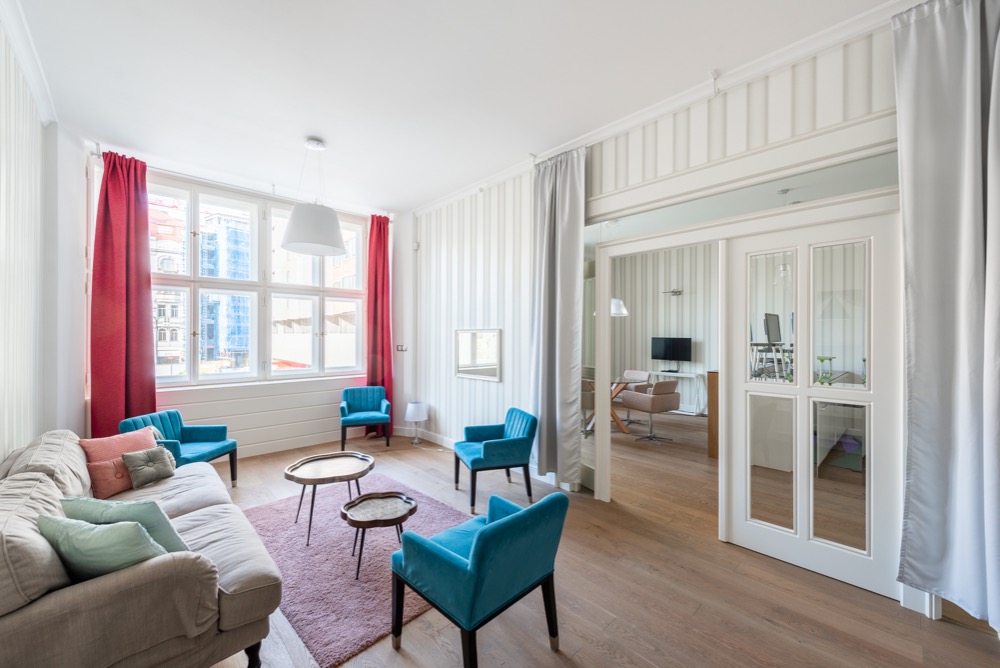
Luxury apartment in a Cubist building next to Pařížská
Eliášova/Krásnohorská, Prague 1 - Staré Město
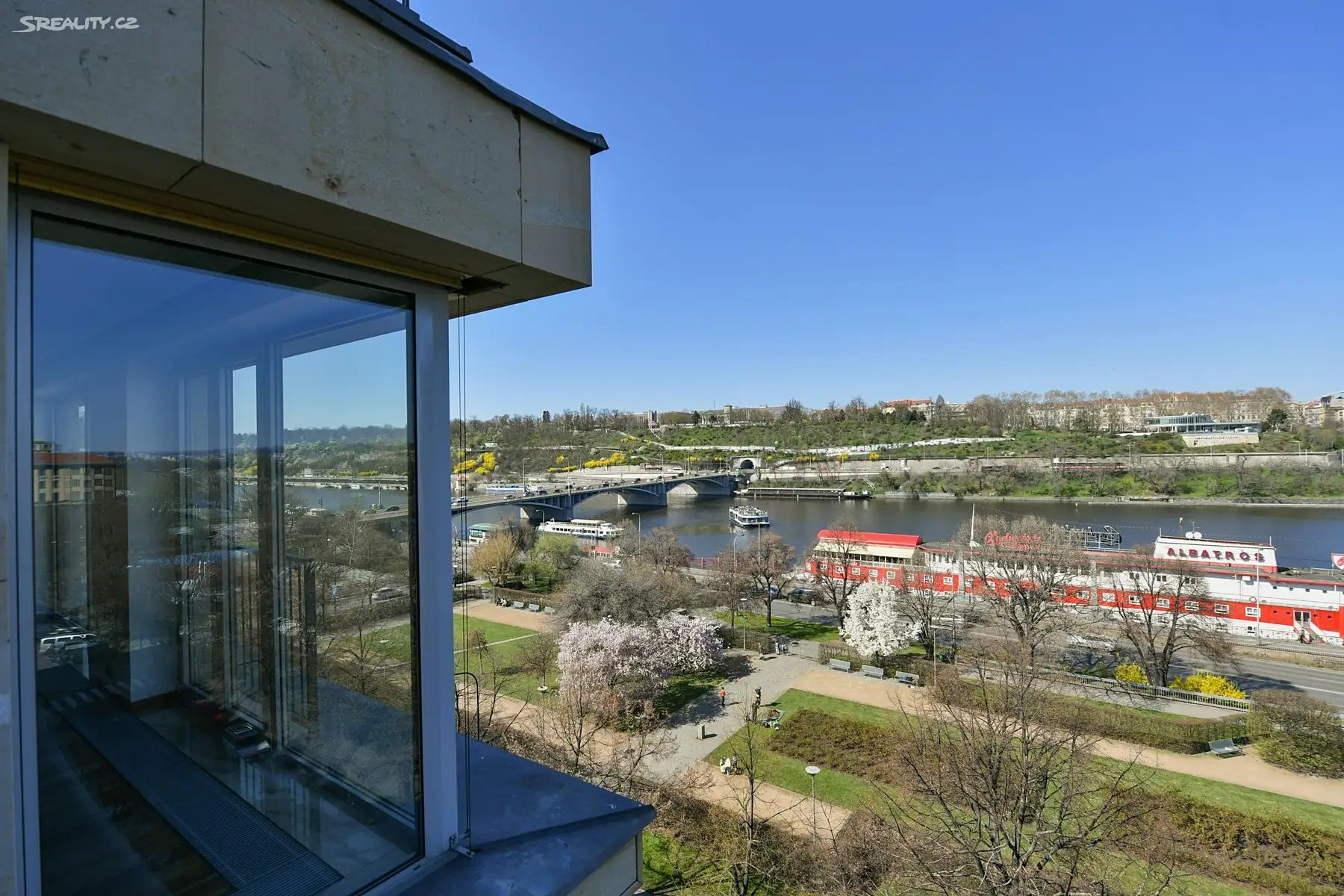
Family apartment with views of the Vltava and Letná Gardens
Lannova, Prague 1
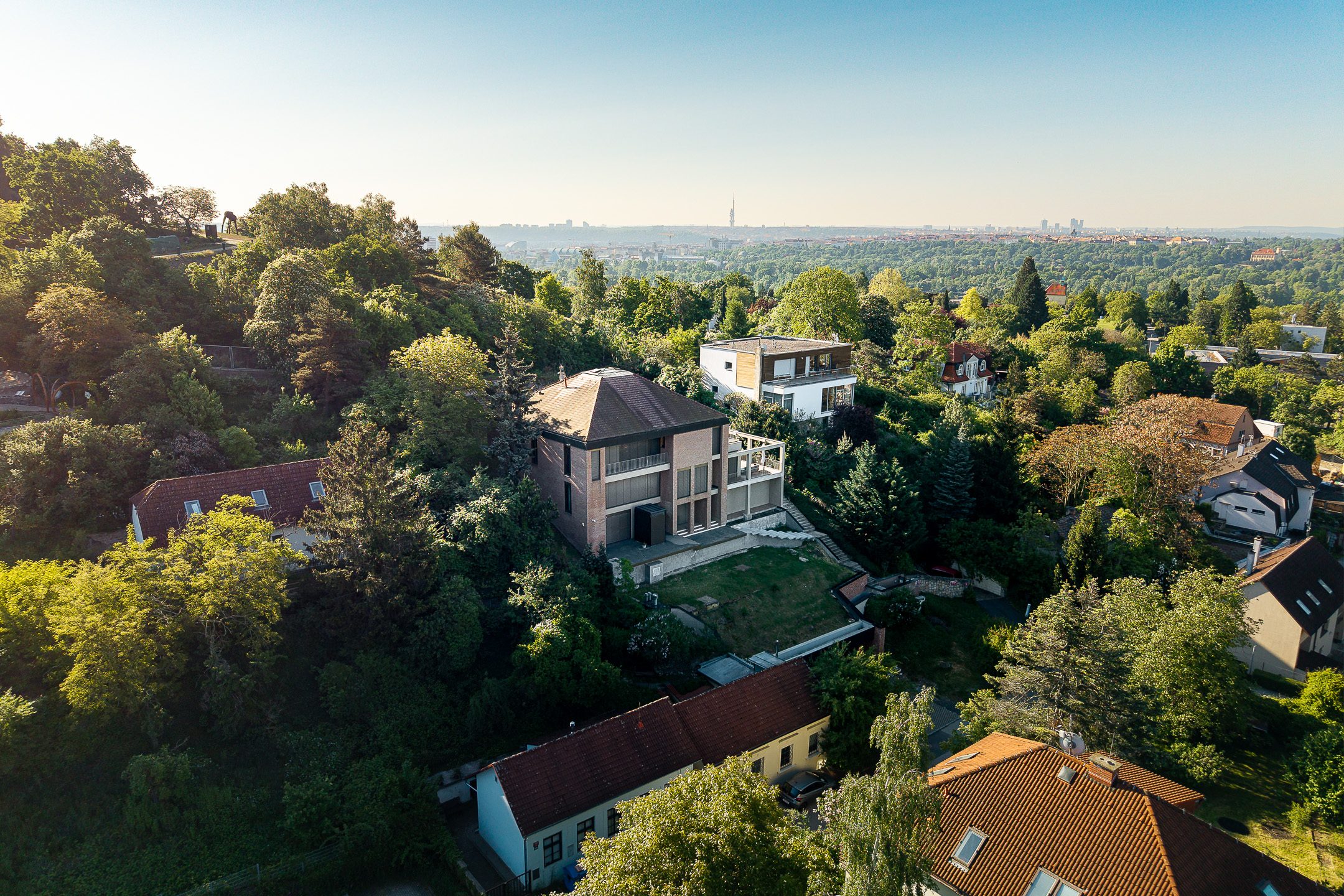
Luxury villa in Prague - Troja
Prague - Troja, Czech Republic
Premium 3+kk loft 99 m² - Vanguard Modřany
Vanguard, Modřany, Prague