Private urbanisations in Spain: what it means
The term 'urbanisation' means something different in Spain than in Czech. We explain what it covers, how the owners' association works and what to ask when buying a house.
When looking for a house on the Spanish coast, you will come across the word urbanización in almost every advertisement. A Czech reader might easily imagine urban development. In Spain, however, it denotes a residential complex or district, often created as a standalone project with its own rules. What this means in practice varies from case to case.
What the term covers
By urbanisation is usually meant a self-contained area which a developer has systematically divided into plots, equipped with roads and utilities, and gradually built houses or villas on. You will find such complexes by the sea and inland.
The word 'private' is used loosely here. It might be:
- a complex with a restricted entrance and reception or security,
- a district without barriers, but with its own management of common areas,
- several houses sharing a road, greenery or pool.
A mere advertisement is therefore not enough. What matters is how a particular urbanisation is arranged legally and operationally.
Who looks after common areas
Home owners in an urbanisation are usually organised in an owners' association (comunidad de propietarios). Sometimes maintenance is handled by another entity. The association typically decides how shared elements are managed, and owners contribute to operations through regular fees.
Common areas may include:
- access and internal roads,
- public lighting and greenery,
- shared pools, sports facilities or playgrounds,
- entrance gate, security or CCTV system.
The scope, however, varies. In one urbanisation the association manages almost everything, in another only a few minor matters. This is where differences in regular costs and the degree to which an owner can influence operations are hidden.
Roads, water, waste: who provides them
One of the most common uncertainties concerns whether roads and infrastructure are the responsibility of the local authority or are private. In older urbanisations, it sometimes happens that the original developer handed over the area to the municipality only partially. In newer ones, the situation may be different.
The practical impact is clear. Who is responsible for repairing roads, lighting or water supply, and how it is funded, affects future costs and everyday comfort. Before purchasing, we therefore recommend asking this question explicitly and requesting documentation of the answer.
Rules of coexistence
Urbanisations typically have their own by-laws or internal regulations. These may govern:
- the appearance of houses and fencing, and potentially alterations to façades and landscaping,
- noise and the operation of pools or common areas,
- parking and vehicle use within the complex,
- short-term rentals, if the regulations limit them.
For some, such rules provide assurance that the surroundings will not change arbitrarily. For others, they may be a constraint. The key is to know them beforehand, not after signing. This applies even if you plan to renovate the house, add a pool or build a terrace.
What to ask before buying
A private urbanisation involves certain documentation. It is worth requesting this early and reviewing it with a lawyer familiar with the Spanish context. Focus especially on these questions:
- Legal arrangement: does an owners' association exist, and what are its by-laws?
- Fees: how are they determined, what do they cover, and are there any outstanding arrears recorded against the property?
- Scope of common areas: what exactly is shared and in what condition are they?
- Planned investments: does the association anticipate major repairs, and how will they be funded?
- Rules of use: do the regulations restrict rentals, alterations or pool use?
- Access and security: how does the entrance work, what security is in place, and who is responsible for it?
Minutes from recent meetings often reveal more than a brochure. They show what issues the association addresses and how well it functions.
How we approach specific properties
A detached house with its own plot and shared elements in a complex are two different situations. For each property, we therefore establish how it is arranged legally and operationally within its surroundings before presenting it.
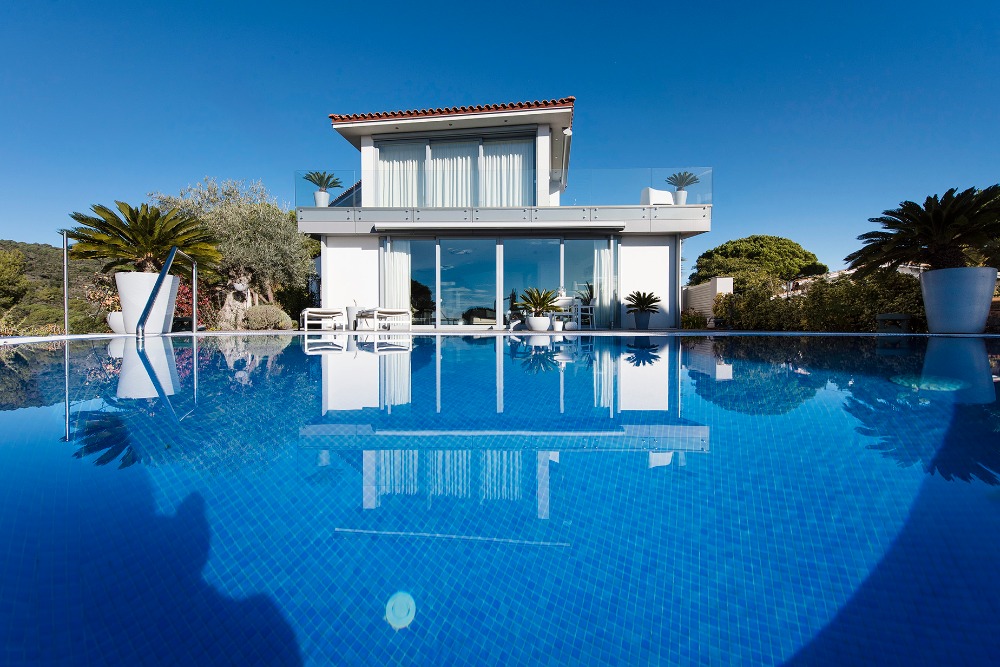
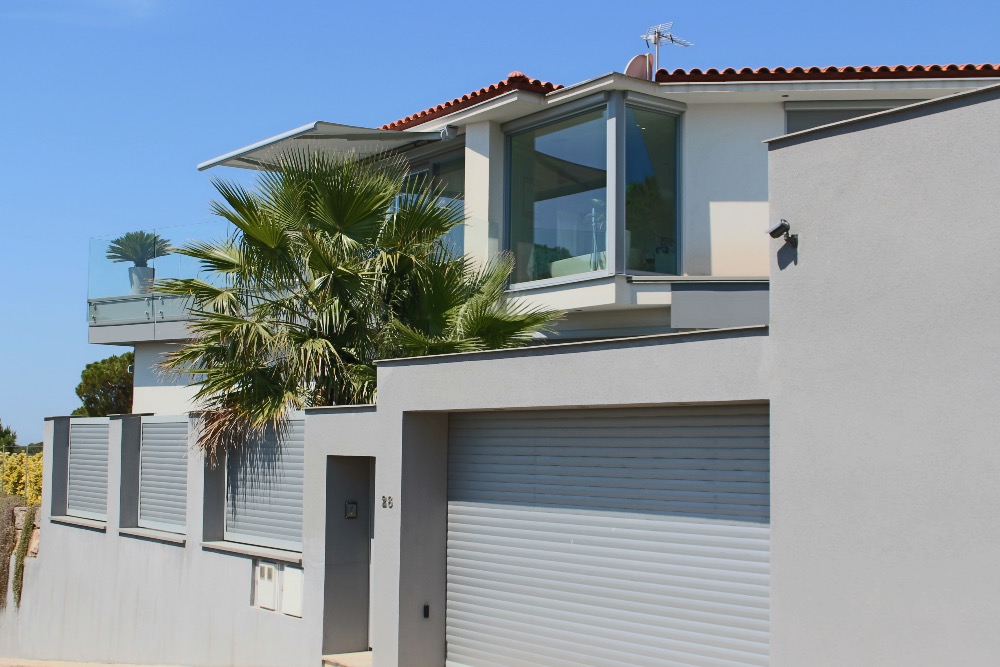
An example from our portfolio is a villa near Tossa de Mar on Costa Brava with an infinity pool, hot tub, garage for three vehicles and a security system. For such a property, as with any other, we establish individually what is part of the plot and what falls under shared rules. Specific information is shared when discussing the particular property. Further houses and apartments can be found in our property overview.
If you are looking for a house in Spain and are unsure how responsibilities are divided in a given area, a more general overview of our services may help.
Summary
A private urbanisation is not a single category but a collective term for differently arranged complexes. A good decision is based on documents, not on assumptions about what the word means. By-laws, fees, management of common areas and ownership of roads are among the matters worth verifying before negotiations on price begin.
If you would like to discuss a specific location or property on Costa Brava, write to us or call. Contact details can be found on the Contact page.