How to prepare for a premium property viewing
A premium property viewing is typically longer and more detailed than a standard visit. A few practical steps in advance will help you spend time on what matters. We outline what to clarify, what to focus on at the property and how to evaluate the viewing.
Viewing a premium property differs from a standard visit. It is typically longer and takes place by prior arrangement. It often addresses technical and legal aspects, not just the impression of the space. Good preparation will help you not only perceive the atmosphere at the property but also what is not visible in photographs.
Clarify your priorities before the viewing
Before you go to view a property, write down what you expect from it. A simple list divided into three sections is sufficient:
- essential – for example, number of bedrooms, parking, privacy, a quiet location,
- desirable – a garden, terrace, wellness, a view,
- compromises you are willing to make – perhaps the need for minor renovations.
A list is particularly useful when you are viewing multiple properties in succession. Over several days, details easily blur and brief notes then help with comparison.
Agree also with other household members. If the purchase is to be decided jointly, it is useful for everyone who will use the property to attend the viewings.
Study the materials and prepare questions
Most information is available before the visit: description, floor plans, photographs and a list of amenities. Go through them and note what remains unclear.
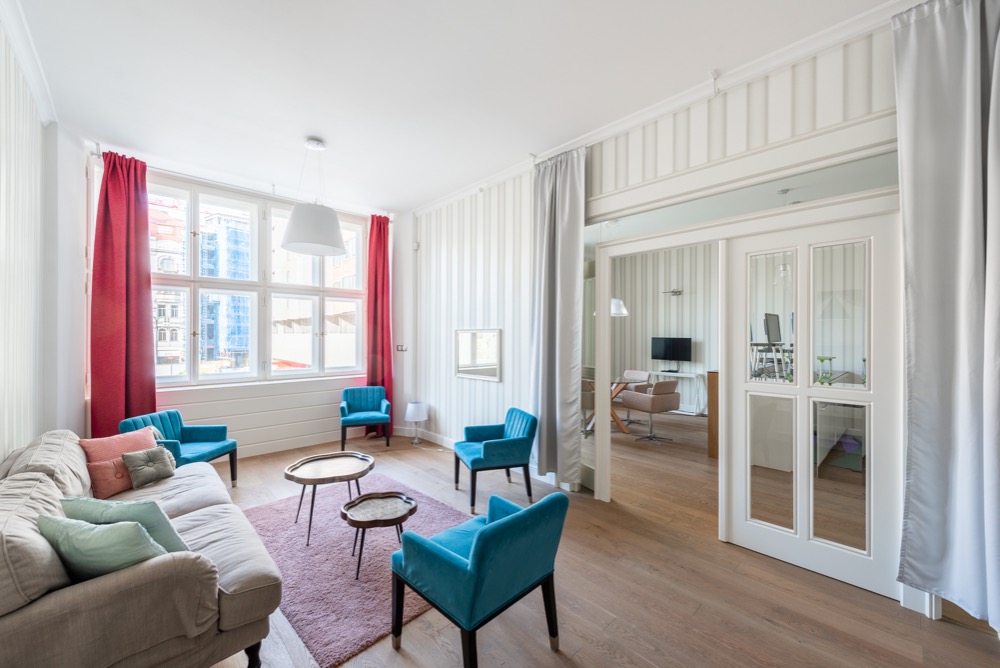
Let us take, for example, an apartment in a historic Cubist house next to Pařížská. The materials mention a complete renovation in 2024, floor heating with its own gas boiler and the possibility of conversion to an additional bedroom. During the viewing, you can then ask specifically:
- what the scope of the renovation was and what it involved,
- how the boiler is positioned and how it is accessed,
- what any potential conversion would entail in terms of the layout.
Such questions are more useful than general 'is everything in order?'. From the answers, you will also see how well the seller or the property representative knows the property.
At the property, observe more than first impressions
First impressions are important, but the viewing should not end with them. Try to walk through the property systematically.
Light and orientation. If possible, visit the property at different times of day or ask how the light in the rooms changes throughout the day. For a terrace or pool this is especially important.
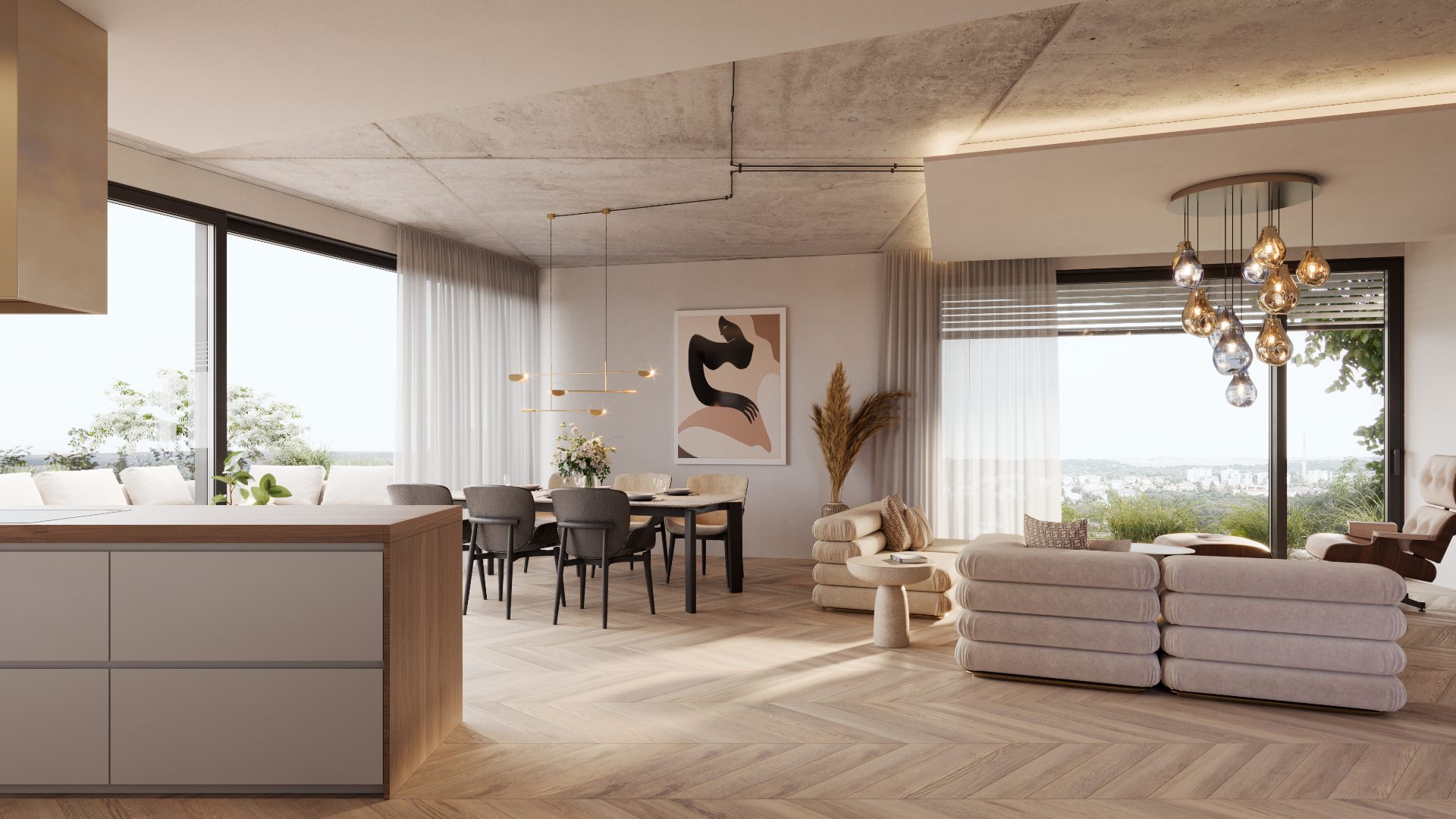
Technical facilities. For properties with more extensive amenities, it is worth asking about operation and maintenance. Take, for example, Sky Dream Hřebenky – Loft Aqua, where the materials mention an indoor pool with countercurrent, a wellness zone with a hot tub, a Finnish sauna, smart home technology, air conditioning and mechanical ventilation. With such amenities, it makes sense to find out how it is operated, who services it and what normal operation looks like.
Materials and condition. Pay attention to floors, windows, bathrooms, utility lines and places that are not usually shown in photographs: technical rooms, garages, cellars.
Noise and privacy. Verify how much you can hear from the surroundings and from which places the property is visible. You will notice this well when you briefly open a window or step out onto the terrace.
Foreign and remote properties: plan for logistics
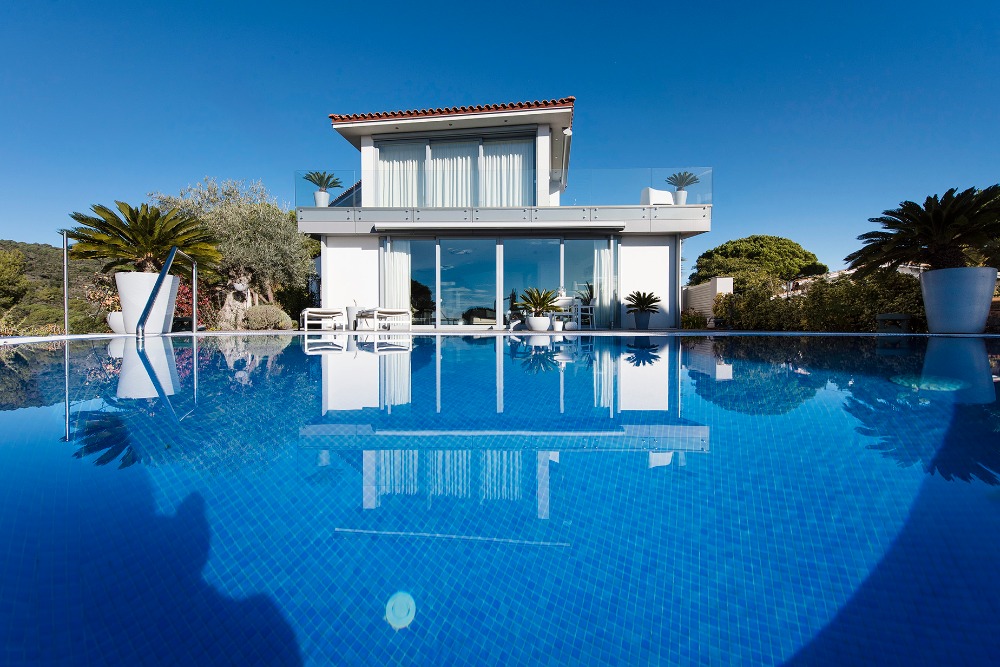
Viewing a property outside Prague requires more planning. This applies, for example, to the villa near Tossa de Mar on the Costa Brava. The materials mention, among other things, an infinity pool, a hot tub, a garage for three vehicles and a security system. Such a house deserves more time than a brief visit.
For more distant locations, it is worth:
- planning the journey so that there is time for the surroundings as well, not just the house itself,
- familiarising yourself with the route from the airport or main roads and finding out how long it takes,
- asking how the property functions outside the main season,
- clarifying who looks after it during the owner's absence.
View the surroundings as a regular visitor would: shops, services, availability of healthcare, schools or other facilities that will be important to you.
Document and evaluate
During the viewing, take notes and ask whether you can take photographs or brief recordings. For premium properties, this is usually a matter of prior arrangement, so ask in advance, not on the spot. Discretion is important for many sellers and must be respected.
After the visit, make a brief summary, ideally the same day:
- what pleased you and what did not,
- which questions remained open,
- what needs to be verified by professionals,
- whether the property meets your list of priorities.
Only then does it make sense to consider another viewing or further steps. A second viewing is often more useful than the first because you already know what to focus on. It is fine to bring a surveyor, architect or other professional who can assess what you cannot.
A good viewing is a dialogue
A viewing works best when both parties are prepared. You know your priorities, the seller's representative knows the property and is able to answer specific questions. You should not be afraid to ask repeatedly or to return to something.
If you are considering viewing one of the properties in our offer or are looking for something we do not advertise publicly, please contact us via the Contacts page. We will be happy to discuss with you what is important to you and help plan the viewing so that it takes place calmly and without unnecessary rush.