Buying Property in Spain: Step-by-Step Guide
How does property purchasing generally proceed in Spain, from clarifying your intentions to handing over the keys? We present an overview of the main steps and questions worth considering before you decide.
Purchasing property abroad is governed by local rules and individual cases may differ. The following text is a general orientational overview, not legal or tax advice. Always verify specific conditions with a solicitor and tax adviser who are familiar with the Spanish environment.
1. Clarify what you expect from the property
Before you start browsing offers, it's worth answering a few basic questions:
- Will the property serve recreational purposes, longer stays, or something else?
- How much time do you plan to spend there and with whom?
- Would you prefer proximity to the coast, a historic town, or peace and quiet in nature?
- How much space do you need and what equipment matters most to you, such as a pool, garage or terraces?
The more specific your brief, the easier it is to narrow the selection. The choice of location also depends on how you plan to engage with Spain in the future. The Costa Brava coast has a different character from other parts of the country and it's worth getting to know it in person, ideally both outside and during peak season.
2. Select a location and browse the offers
After clarifying your intentions, comes the selection of an area and initial properties. Look not only at the house itself, but also at the surroundings: availability of services, access road, plot orientation and the character of the neighbourhood.
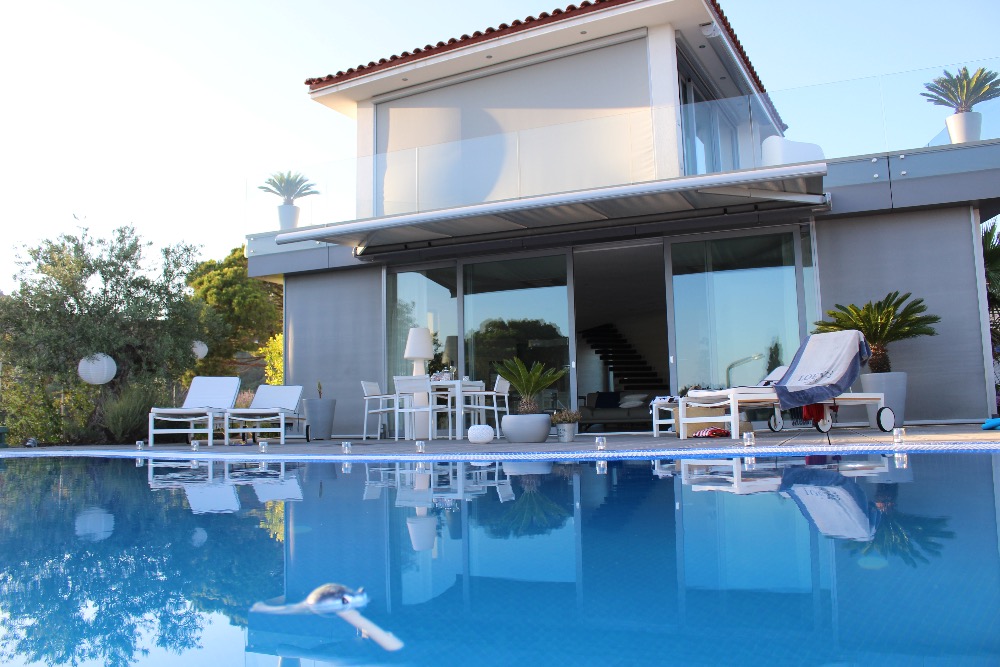
As an example, consider a villa near Tossa de Mar on the Costa Brava, which you will find in our offering: Luxury Costa Brava Villa. It has a usable area of 343 m², five bedrooms and four bathrooms. Equipment includes an infinity pool, hot tub, garage for three vehicles, several sunny terraces, home fitness centre, children's play area and security system. Price on request. Such a list is useful as a checklist: for each property, clarify which elements are essential to you and which are merely pleasant.
Further information can be found on the Properties page.
3. Prepare your formal groundwork
Before signing anything, it's sensible to arrange the basic matters that usually need to be addressed when buying in Spain:
- Foreign identification. Foreign buyers typically need a Spanish foreigner identification number (NIE). Verify the procedure and timeframes with the relevant authorities or through a representative.
- Banking matters. Consider how the transfer of funds will take place and what documents the bank may require to verify their origin.
- Legal representative. An independent solicitor who speaks your language and is familiar with local practice is essential support for the buyer.
- Power of attorney. If you cannot attend all meetings in person, some steps can be handled by power of attorney. Discuss the conditions with your solicitor in advance.
4. Have the property legally and technically verified
This step is not worth shortening. Verification typically includes:
- Title to the property. Who is registered as the owner and whether the information in the property register matches.
- Encumbrances. The existence of mortgages, easements or other restrictions.
- Building and planning aspects. Whether the building complies with permissions and whether the necessary documents are available.
- Actual condition. Technical inspection, condition of roof, pipes, pool and other parts of the house.
- Plot and surroundings. Plot boundaries, access and any restrictions on use.
If any issues arise at this stage, it is better to clarify them before a binding step than afterwards.
5. Reservation, contracts and notary
The transaction itself typically proceeds in several stages:
- Property reservation. An arrangement that blocks the property for you for a certain period. Read carefully the conditions under which it can be terminated.
- Preliminary agreement or private purchase agreement. Sets out the conditions, timescales and payment distribution. It makes sense to have the wording checked by a solicitor.
- Signing before a notary. The purchase agreement is formalised through a notarial deed and typically takes place at the same time as payment of the remaining part of the purchase price.
- Entry in the property register. The change of owner is recorded in the public register.
- Taxes and fees. The purchase is associated with tax obligations and costs for notary or registration. A consultant will tell you the amount and method of payment in your specific case.
After the transfer, it remains to transfer the utilities and water supplies, arrange insurance and set up who will look after the house.
6. Handover and the first period after purchase
At handover, go through the property with a handover report and compare the actual condition with what was agreed. Check the functioning of technology, security system and equipment that was part of the sale. Keep all documents, manuals and supplier contacts.
Also expect that the first months after purchase will bring minor organisational matters. These are easier to resolve when you have local contacts at hand.
How we can help you
At NeNe Exclusive Properties, we focus on curated sales of premium and off-market properties. We are happy to present our Costa Brava offering and answer general questions about the process. However, legal and tax matters must be addressed with qualified professionals. An overview of our services can be found on the Services page.
If you are considering a purchase in Spain and would like to discuss the matter informally, write to us or call us through the Contact page.